

Dubai has become one of the most active event destinations in the Middle East, attracting international conferences, exhibitions, brand activations, corporate events, product launches, luxury experiences and large-scale public events.
For an international event agency, however, planning an event in Dubai involves more than choosing a venue and flying in a production team.
The UAE has its own regulations, business practices, supplier networks, venue requirements, cultural considerations and operational conditions. Understanding these factors before arriving in Dubai can help international agencies avoid unnecessary delays, unexpected costs and last-minute production challenges.
This guide covers the key things international event agencies should understand before planning an event in Dubai.
Dubai offers a highly developed events infrastructure, but international agencies should not assume that every production requirement can be handled exactly as it would be in their home market.
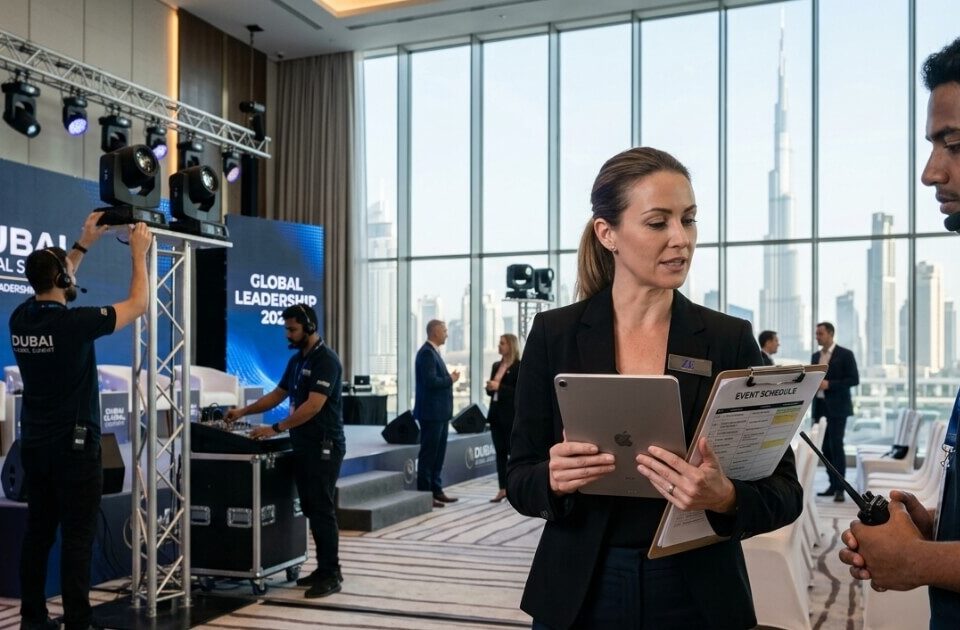
Event production in Dubai involves coordinating multiple local stakeholders, including:
An international agency may have the creative concept, brand guidelines and event strategy, but successful execution often depends on having reliable local partners who understand the Dubai market.
This is particularly important when an overseas agency is managing an event remotely.
One of the first considerations should be understanding which approvals are required for the event.
Depending on the event type, location and activities involved, different authorities, venue management teams or government entities may need to be involved.
Requirements can vary for:
International agencies should therefore discuss approvals with the local event team at the beginning of the planning process rather than treating them as a final-stage requirement.
A local production or event partner can also help identify practical requirements that may not be obvious to an overseas agency.
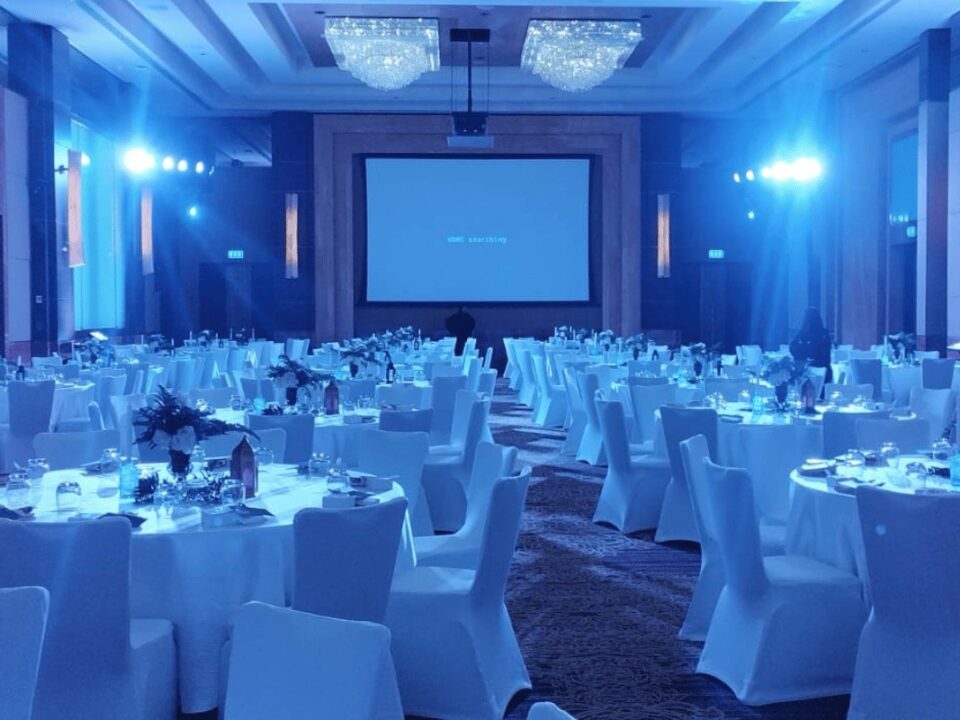
Dubai has a wide range of event venues, from luxury hotels and convention centres to exhibition halls, outdoor locations and purpose-built event spaces.
However, every venue can have its own operational rules.
Before confirming a production plan, international agencies should check:
A creative design may look perfect on paper but require modifications once venue restrictions are considered.
This is why a technical site inspection should ideally happen before final production drawings and fabrication are approved.
Dubai’s climate is an important operational consideration, particularly for outdoor events.
High temperatures and strong sunlight can affect:
For outdoor events, agencies should consider shade, cooling, hydration, suitable materials and appropriate working schedules.
During hotter months, installation and dismantling schedules may also need to be planned carefully to protect event crews from prolonged exposure to high temperatures.
For international agencies unfamiliar with the local climate, local production expertise can be particularly valuable when selecting materials and planning site operations.
International agencies sometimes consider producing everything in their home country and shipping it to Dubai.
That may work for certain specialist elements, but it is not always the most practical approach.
Dubai has an established network of local fabricators capable of producing:
Local fabrication can reduce international shipping requirements and make it easier to modify or replace items during the production period.
For overseas agencies, the key is finding a local fabrication partner that can work accurately from international artwork, technical drawings and brand guidelines.
If an international agency needs to bring specialist equipment, exhibition materials, branded assets or production elements into the UAE, logistics should be considered early.
International shipments can involve:
A delay in shipping can have a much bigger impact when the event installation window is only a few days.
For this reason, agencies should create a clear logistics timeline and identify which items genuinely need to be shipped internationally and which can be sourced or produced locally.
Dubai is an international city, but it operates within the cultural and social environment of the UAE.
International agencies should consider local cultural expectations when developing:
This does not mean international brands need to abandon their creative identity.
Instead, creative concepts should be reviewed from both a brand and local-market perspective before production begins.
A local partner can help identify potential cultural or practical issues before they reach the event floor.
Dubai events often involve premium environments where branding quality is highly visible.
Small production mistakes can become noticeable immediately, especially in:
International agencies should provide final brand guidelines, artwork specifications and production files well in advance.
It is also useful to establish a clear artwork approval process.
The local production team should know:
This helps reduce reprints and last-minute production issues.
An event can look perfect during the planning stage and still face operational problems during installation.
Dubai event logistics may involve coordinating:
Timing is particularly important when several suppliers need access to the same venue.
A detailed production schedule should clearly define who arrives, when they arrive, what they deliver and where each item needs to go.
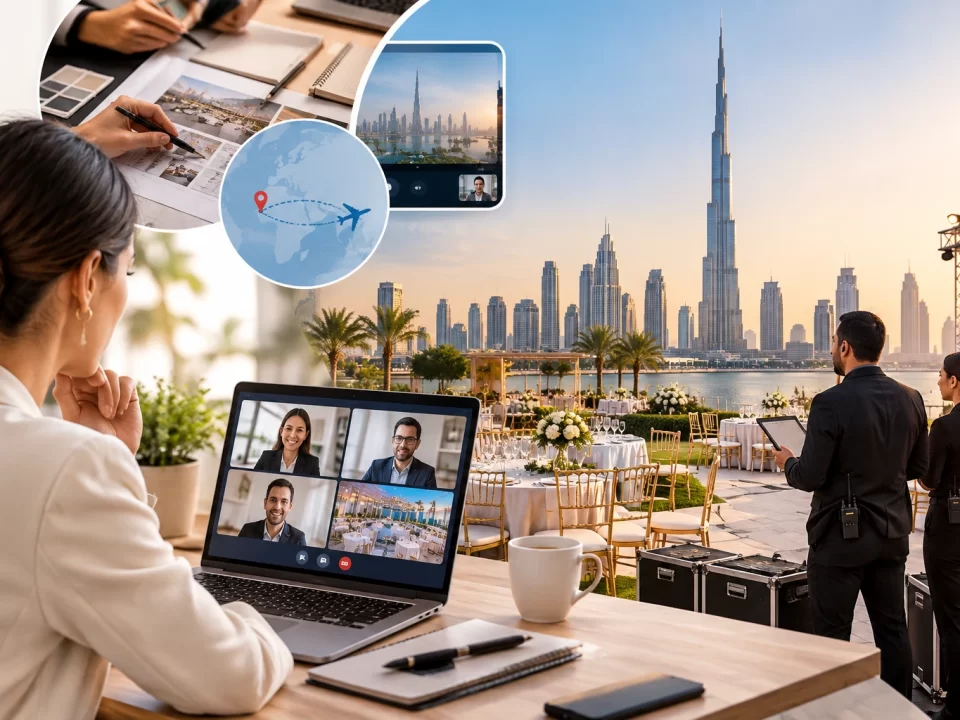
International agencies may be managing a Dubai event from Europe, North America, Asia or another region.
This can create communication gaps between:
Clear communication protocols can make a significant difference.
Before production starts, establish:
A single local project lead can help keep communication organised between the overseas agency and multiple Dubai suppliers.
For complex events, a site visit before production can prevent significant problems later.
During the visit, the team can review:
Photos, videos and measurements should be documented and shared with the international creative and production teams.
For overseas agencies that cannot visit Dubai personally, a trusted local partner can conduct the site inspection and provide detailed documentation.
Perhaps the most important consideration for an overseas event agency is choosing the right local execution partner.
The ideal partner should be able to understand both sides of the project:
International agency expectations
Dubai execution requirements
The role is not simply to “arrange suppliers.”
A good local partner should act as an extension of the international agency’s production team on the ground.
Dubai offers an extensive ecosystem for international events, but successful execution depends on understanding the local environment before production begins.
For international agencies, the most effective approach is usually to combine their creative and strategic expertise with experienced local execution support.
From fabrication and event branding to production coordination, logistics and on-ground execution, having the right Dubai partner can help international agencies deliver the original creative vision while adapting it to local operational requirements.
For agencies planning an event in Dubai from overseas, early local involvement can make the difference between simply bringing an event concept to Dubai and executing it smoothly on the ground.